NOVEMBER 2, 2026 · CULTURAL OR RELIGIOUS
Día de los Muertos
Mexico and Mexican communities worldwide
When it is observed
Commonly November 1–2, with community traditions extending from late October into early November
The story behind the date.
The tradition brings Indigenous Mexican practices of remembering the dead together with Catholic calendar observances; local traditions differ.
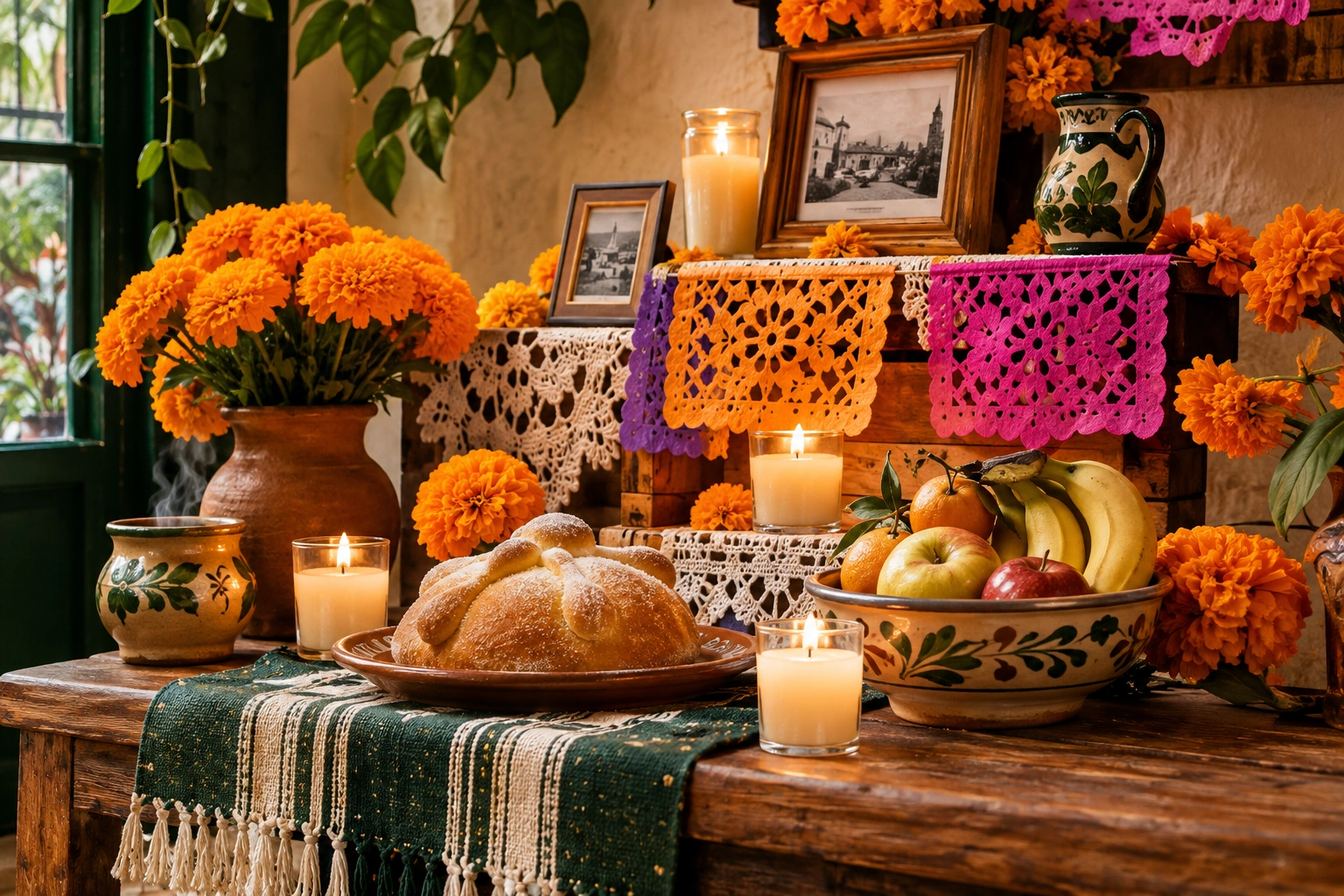
Día de los Muertos is a time of remembrance rooted in Mexico's Indigenous communities and shaped through centuries of cultural exchange. November 2 is especially associated with remembering departed adults in many communities, while the surrounding days follow local customs. UNESCO recognizes the Indigenous festivity dedicated to the dead as living cultural heritage, describing celebrations at the end of October and beginning of November. This is a relationship with memory, family, and community, not simply a decorative version of Halloween. Flowers, favorite foods, candles, and personal objects can carry meanings that belong to particular families and places.
A respectful way to learn is to listen to people who practice the tradition and notice the stories behind an ofrenda. Ask permission before photographing a private altar or a family gathering. At home, you might remember someone dear through a recipe, a photograph, or a story you have not told in years, without claiming that your gesture represents every Mexican tradition. Memory often becomes most vivid through ordinary details: the way a person laughed, the dish they always requested, the advice they repeated. Sharing those details makes remembrance less distant and gives younger generations a way to know the people they never met.
“Our dead are never dead to us until we have forgotten them;”
— George Eliot
YOUR OWN REASON TO CELEBRATE
Does this day mean something to you?
A birthday, an anniversary, a person you hold dear. Tell us what makes November 2 special.
ALSO ON THIS DAY · 1936
Television begins a regular new chapter
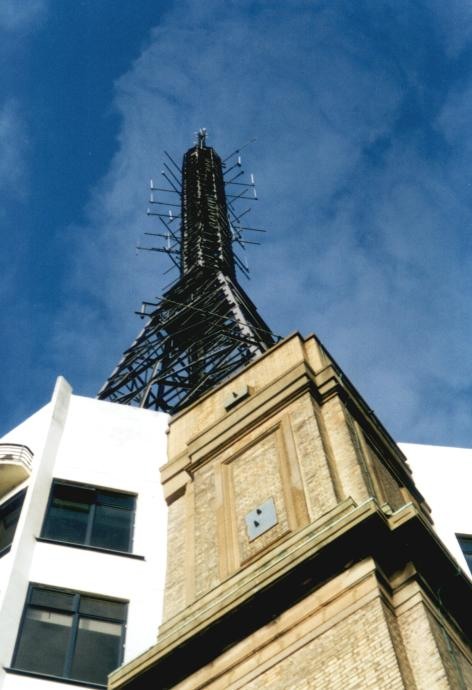
On November 2, 1936, the BBC inaugurated its regular high-definition television service from Alexandra Palace in London. High definition described the technology of that period, not the screen standard we mean by the term today. Early broadcasts reached a limited audience, yet the service helped establish television as a scheduled experience rather than only an experimental demonstration. Its larger significance lies in the way pictures could become a shared public event. News, performance, and education would eventually enter homes through a medium that changed habits as well as entertainment. Remembering this beginning invites us to notice our own screens: what do they help us understand, and which moments deserve our full attention?