NOVEMBER 11, 2026 · OFFICIAL OBSERVANCE
Remembrance Day
Canada; related commemorations occur in the United Kingdom and other countries

When it is observed
November 11 each year; customs and public-holiday rules vary by jurisdiction
The story behind the date.
Canada adopted the name Remembrance Day for November 11 in 1931, following earlier Armistice Day commemorations.
Remembrance Day falls on November 11 in Canada, where the name was adopted in 1931 after earlier observances known as Armistice Day. Related traditions of remembrance are practiced in other countries, but their names, ceremonies, and legal status are not identical. The eleventh hour recalls the armistice of November 11, 1918. In Canada, remembrance honors those who served and those who died, with the poppy an important symbol. A pause in the day creates space for loss that can otherwise become abstract when it is discussed only through dates, numbers, or national narratives.
Attend a local ceremony if you can, or take a quiet moment to read the name and story of one person remembered in your community. The act of paying attention matters more than finding perfect words. Families can discuss why memorials exist and how remembering conflict might shape a commitment to peace. Avoid assuming that everyone relates to war in the same way; experiences of service, displacement, grief, and survival may sit beside one another. A respectful remembrance can hold those differences. The silence is not empty. It is a shared interval in which individual lives are allowed to matter beyond the brief account that history can preserve.
“At the going down of the sun and in the morning, We will remember them.”
— Laurence Binyon
YOUR OWN REASON TO CELEBRATE
Does this day mean something to you?
A birthday, an anniversary, a person you hold dear. Tell us what makes November 11 special.
ALSO ON THIS DAY · 1966
Gemini XII carries the lessons that make spacewalking work
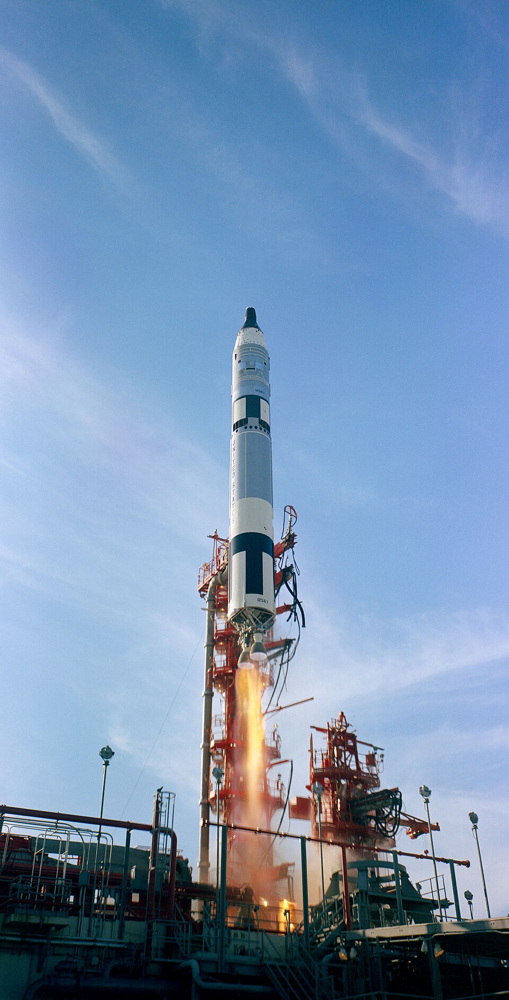
On November 11, 1966, James Lovell and Edwin “Buzz” Aldrin launched aboard Gemini XII, the final crewed mission of NASA’s Gemini program. Their flight helped solve a practical problem that earlier missions had exposed: working outside a spacecraft could be exhausting and difficult without dependable ways to hold position. Aldrin’s preparation included underwater training, and the mission tested the usefulness of handholds and restraints for tasks performed in orbit.
The achievement was not simply a dramatic picture of a person floating above Earth. It was evidence that preparation, equipment, and the design of a task could make an unfamiliar workplace more manageable. Gemini XII also practiced rendezvous and docking, skills needed for Apollo. When the crew returned on November 15, the program left a foundation of experience for the missions that followed. Progress here meant learning how to work carefully, not only how to travel farther.