NOVEMBER 10, 2026 · OFFICIAL OBSERVANCE
U.S. Marine Corps Birthday
United States

When it is observed
November 10 each year
The story behind the date.
The date recalls the Continental Congress resolution of November 10, 1775; a 1921 order formalized annual commemoration of that founding date.
The United States Marine Corps marks its birthday on November 10, recalling the Continental Congress's creation of the Continental Marines in 1775. In 1921, an order from Commandant John A. Lejeune directed the service to commemorate that date each year. The occasion is a military tradition rather than a general public holiday. It connects service members across generations through shared history, remembrance, and familiar ceremonies. November 10, 2026 marks 251 years from the founding resolution, offering a moment to recognize both the institution's history and the individual lives contained within it.
For friends and families of Marines, an attentive conversation may be more meaningful than a formal message. Ask whether there is a memory they would like to share, and allow them to decide how much to say. Military experiences are varied, and no person should be expected to stand for an entire service. A note of appreciation can focus on someone you actually know: their reliability, their friendship, or the way they care for others. Celebrations can hold pride and reflection together. The strongest connection to a tradition often comes from understanding its people, including the families, mentors, and companions who have supported them through changes that are not always visible from outside.
“Ask not what your country can do for you—ask what you can do for your country.”
— John F. Kennedy
YOUR OWN REASON TO CELEBRATE
Does this day mean something to you?
A birthday, an anniversary, a person you hold dear. Tell us what makes November 10 special.
ALSO ON THIS DAY · 1983
Windows is announced before it reaches the desktop
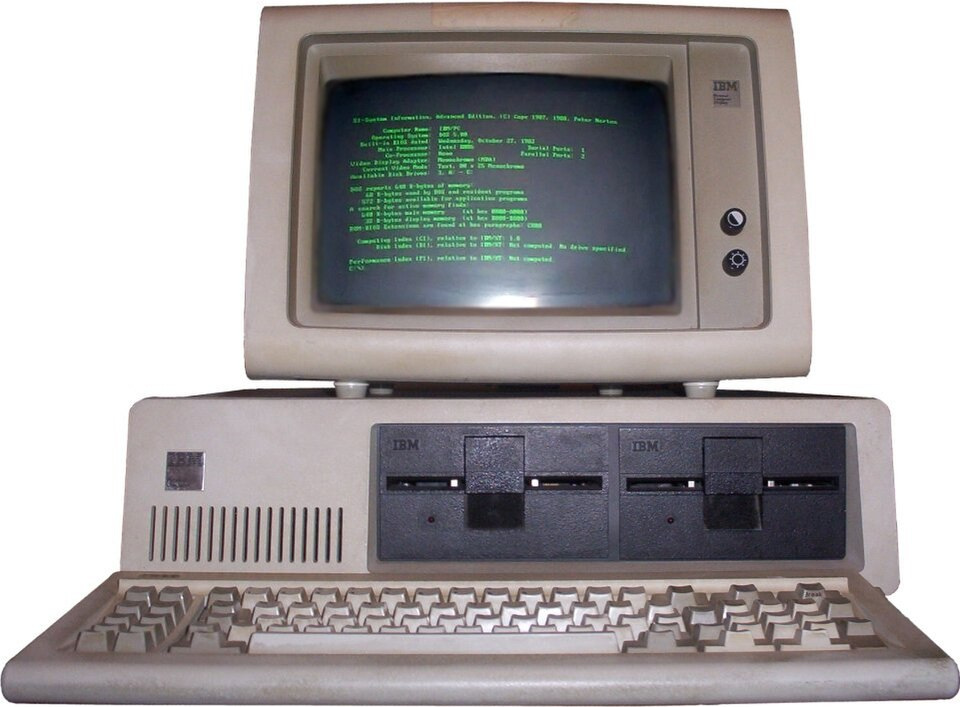
On November 10, 1983, Microsoft publicly introduced its plans for Windows, a graphical environment intended to work with MS-DOS. The announcement came before the finished product: Windows 1.0 would not reach customers until November 1985. That distinction matters. The date marks a proposal for a different relationship with the personal computer, rather than the day everyone suddenly began using it. Menus, pointers, and separate areas of the screen promised a more visual way to handle work.
The early announcement is a useful reminder that familiar technologies usually arrive through experiments, delays, and revisions. Windows was not the first graphical interface, nor did this presentation invent the idea. Its significance lies in the company’s commitment to bringing that approach to a broad PC market. A desktop that now feels ordinary was once a future being described to an audience, with much of the practical work still ahead.