NOVEMBER 21, 2026 · UNOFFICIAL OR WHIMSICAL
World Hello Day
Started in the United States; participation worldwide

When it is observed
Every November 21
The story behind the date.
Brothers Michael and Brian McCormack began the observance in 1973 in response to the Arab–Israeli conflict, encouraging communication for peace.
A greeting is a small act, but it can change the atmosphere of a day. World Hello Day, observed on November 21, began in 1973 when brothers Michael and Brian McCormack wanted to encourage communication rather than conflict. Its simple invitation is to greet ten people. The number is less important than the intention: to recognize another person as someone worth acknowledging. This is an unofficial observance with a hopeful premise, not a claim that friendliness alone can solve serious political disagreements. It offers an approachable first step toward a more attentive way of meeting one another.
Try it naturally. Thank the person who opens a door, greet a neighbor you usually pass in silence, or send a thoughtful message to someone you have been meaning to contact. Respect another person's space and do not insist on a conversation. A warm greeting can be brief, accessible, and free of expectations. For someone learning a language or arriving in an unfamiliar community, that moment may mean more than you realize. If ten greetings feel forced, begin with one sincere hello. The point is not to collect responses. It is to make the ordinary places we share feel a little less anonymous and a little more welcoming.
“the only way to have a friend is to be one.”
— Ralph Waldo Emerson
YOUR OWN REASON TO CELEBRATE
Does this day mean something to you?
A birthday, an anniversary, a person you hold dear. Tell us what makes November 21 special.
ALSO ON THIS DAY · 1969
An experimental computer connection becomes a working link
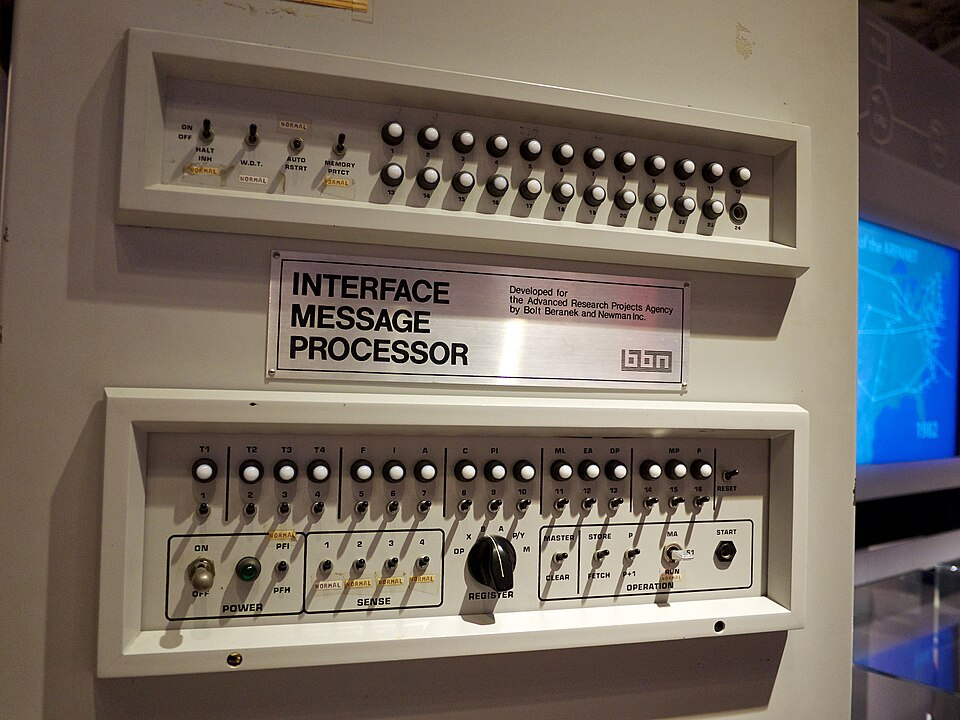
On November 21, 1969, the ARPANET connection between the University of California, Los Angeles, and Stanford Research Institute was firmly established. The celebrated first attempted host-to-host message had already been sent on October 29. This later date marks the link becoming a continuing part of a small experimental network, rather than the first appearance of a message on a screen. That distinction helps us see the difference between a promising demonstration and a service that can keep working.
ARPANET explored ways for computers in different locations to share resources and exchange information. Its early community included researchers who had to solve practical questions about equipment, communication, and compatibility. The network would grow, but it was not yet the modern internet or the World Wide Web. Looking back at this modest connection, we can appreciate the quieter work behind a technological turning point: making one system reliably understand another, then keeping the conversation going.