
The International Day of Persons with Disabilities is observed on December 3. Proclaimed by the United Nations in 1992, it focuses attention on the rights, participation, and inclusion of persons with disabilities. The subject is not limited to health: it concerns how communities, workplaces, buildings, and information are organized.
Barriers can be physical, digital, procedural, or attitudinal. A step without an alternative entrance, a video without captions, or a decision made without the people affected can all restrict participation. Disabled people are not a single group with identical needs, and accessibility cannot be reduced to one universal checklist.
A useful way to mark the day is to listen to disabled people and examine a space or service you help shape. Ask whose participation is being made unnecessarily difficult. Inclusion becomes meaningful when people have agency, accessible choices, and a voice in the arrangements that affect them.
Belonging begins where unnecessary barriers end.Original editorial reflection
YOUR OWN REASON TO CELEBRATE
Does this day mean something to you?
ALSO ON THIS DAY · 1967
A landmark operation in Cape Town
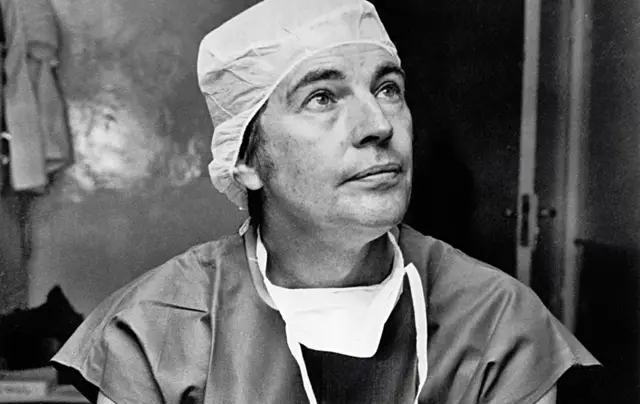
On December 3, 1967, a surgical team led by Christiaan Barnard performed the first human-to-human heart transplant at Groote Schuur Hospital in Cape Town. The operation was a landmark, but early transplantation still faced profound medical difficulties. Its history includes the recipient, donor, family, and clinical team—not only the name of a pioneering surgeon.