NOVEMBER 30, 2026 · UNOFFICIAL OR WHIMSICAL
Computer Security Day
International; technology and security communities

When it is observed
Every November 30
The story behind the date.
The annual awareness initiative began in 1988; its purpose is to encourage protection of computers and information.
Our digital lives contain ordinary things with extraordinary personal value: photographs, messages, creative work, and the information that keeps a household running. Computer Security Day on November 30 is a useful reminder to care for those things before something goes wrong. The annual awareness initiative began in 1988, long before today's constant connection through phones and cloud services. Its purpose remains practical rather than ceremonial: help people protect devices and information. You do not need to understand every technical term to make a meaningful improvement. A few well-chosen habits can be more useful than a drawer full of anxious intentions.
Start with an account you would find difficult to lose. Use a strong, unique password and enable multifactor authentication where available. Check that devices receive security updates, and make sure important files have a dependable backup you know how to restore. Treat unexpected messages requesting money, passwords, or urgent action with care; verify through a separate trusted channel. This is also a good day to help someone who feels intimidated by security settings, without embarrassment or blame. Digital care is an ongoing practice, not a one-time guarantee. The aim is to make your information harder to misuse while keeping the tools you rely on comfortable enough to use.
“Security is a process, not a product.”
— Bruce Schneier
YOUR OWN REASON TO CELEBRATE
Does this day mean something to you?
A birthday, an anniversary, a person you hold dear. Tell us what makes November 30 special.
ALSO ON THIS DAY · 1934
Flying Scotsman records an authenticated 100 miles per hour
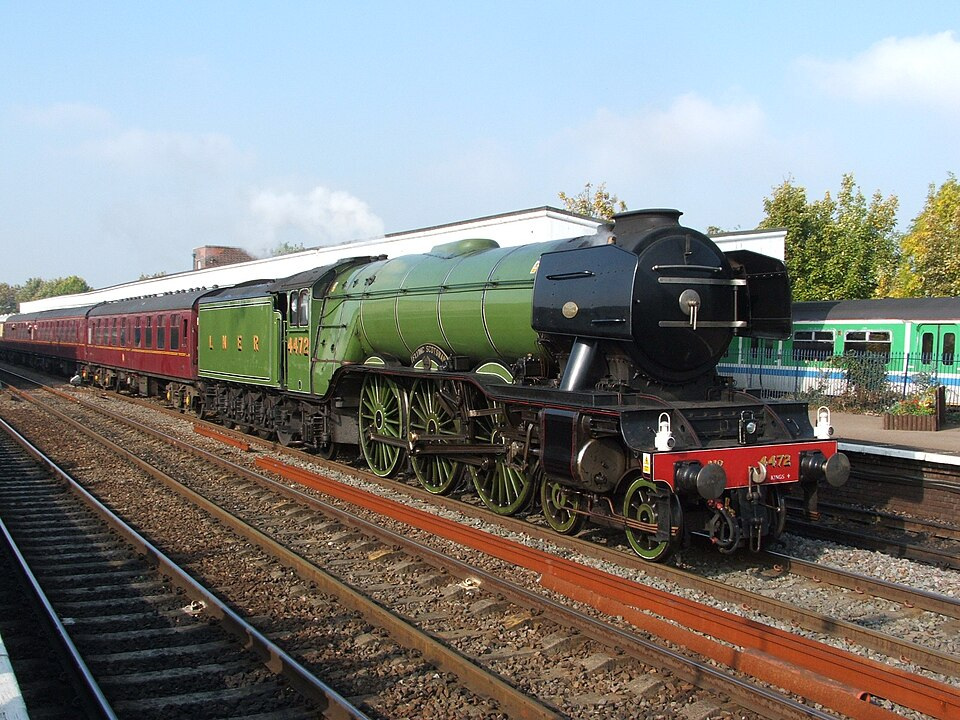
On November 30, 1934, the steam locomotive Flying Scotsman reached an authenticated speed of 100 miles per hour during a test run in Britain. The significance is in that carefully measured claim: earlier locomotives had been credited with very high speeds, but evidence and methods of timing could be disputed. A recorded result made the performance more than a story passed from one railway enthusiast to another. It was an achievement that could be examined.
The locomotive had entered service in 1923 and became a familiar symbol of British railway engineering. Its celebrated run reminds us that invention is not always the arrival of a completely new machine. Improvements in design, operation, maintenance, and measurement can reveal new possibilities in an existing technology. There is something enduringly compelling about this moment: a powerful engine, a skilled crew, and an instrument recording what they actually accomplished together. The memory rests on both speed and proof.