NOVEMBER 30, 2026 · CULTURAL OR RELIGIOUS
St Andrew's Day
Scotland and Scottish communities worldwide

When it is observed
Every November 30
The story behind the date.
The feast honors Andrew the apostle, Scotland’s patron saint; November 30 became a Scottish bank holiday under the 2007 Act.
Scotland's national day arrives with an invitation to celebrate a place through its people as well as its symbols. St Andrew's Day is observed on November 30 in honor of Scotland's patron saint. Its roots are Christian, while contemporary celebrations also include music, food, culture, and community kindness. The Scottish Parliament's 2007 legislation made the date a bank holiday in Scotland, although individual working arrangements vary. For Scottish communities abroad, the day can be a connection to family stories and inherited traditions. For everyone else, it is a welcome opportunity to discover more than the most familiar postcard images.
Listen to a Scottish musician, read a writer whose work is new to you, or learn about the region where a family name or story began. If you share food, let curiosity guide the conversation rather than expecting one dish to represent an entire country. Traditions can be cherished while still making room for the people shaping Scotland today. You do not need Scottish ancestry to appreciate thoughtful hospitality or a generous community gesture. The most memorable celebrations often bring a sense of belonging to someone who was not expecting it. Let the day offer that combination of rootedness and welcome: an affection for home that remains open to others.
“That Man to Man the warld o’er Shall brithers be for a’ that.”
— Robert Burns
YOUR OWN REASON TO CELEBRATE
Does this day mean something to you?
A birthday, an anniversary, a person you hold dear. Tell us what makes November 30 special.
ALSO ON THIS DAY · 1609
Galileo begins his lunar observations
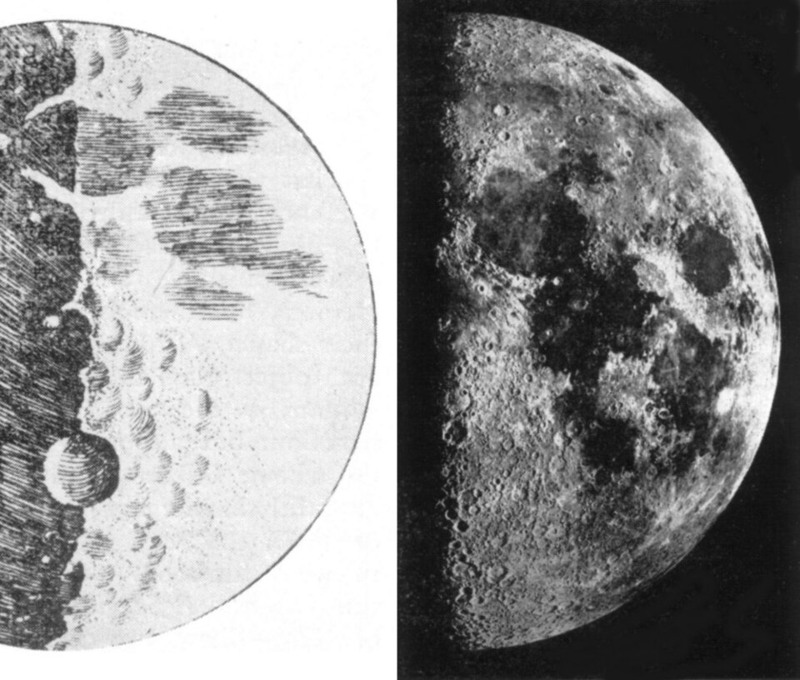
On November 30, 1609, Galileo began the series of telescopic observations and sketches of the Moon associated with his early astronomical discoveries. He examined changing light and shadow and interpreted the lunar surface as uneven, with mountains and depressions. The telescope did not create those features; it made a different kind of looking possible. Observation still required judgment, comparison, and the ability to turn marks on a page into an argument about a distant world. The work helped challenge the idea of a perfectly smooth celestial sphere. This anniversary invites a practical kind of wonder: return to something familiar, improve the way you observe it, and see whether the detail you once overlooked changes the larger picture.