NOVEMBER 29, 2026 · INTERNATIONAL OBSERVANCE
International Day of Solidarity with the Palestinian People
Worldwide; United Nations

When it is observed
Every November 29; institutional events may be scheduled on a nearby date
The story behind the date.
The UN General Assembly called for the observance in 1977. November 29 recalls the 1947 partition resolution.
Some days ask us to look beyond our immediate circle and recognize lives shaped by a history we may know only in fragments. The International Day of Solidarity with the Palestinian People is observed on November 29 under United Nations mandates beginning in 1977. The date recalls the General Assembly's adoption of its partition resolution in 1947. The observance draws attention to the Palestinian people's rights and to a question that remains unresolved. Official meetings may be held on a nearby working day, but the calendar date itself remains November 29. Its significance deserves more than a passing slogan.
A thoughtful response begins with learning from credible historical and humanitarian sources, distinguishing verified information from assumptions, and remembering that civilians are people rather than symbols. Read about Palestinian culture, family life, and creative work alongside political developments. Leave room for grief without turning suffering into a contest, and avoid language that treats any population as collectively responsible for the actions of leaders or armed groups. Compassion does not need to be selective to be meaningful. This day can invite us to consider dignity, safety, and self-determination with greater care, and to seek an understanding informed by evidence rather than the speed of a social-media argument.
“We know too well that our freedom is incomplete without the freedom of the Palestinians.”
— Nelson Mandela
YOUR OWN REASON TO CELEBRATE
Does this day mean something to you?
A birthday, an anniversary, a person you hold dear. Tell us what makes November 29 special.
ALSO ON THIS DAY · 1961
A Mercury test flight helps prepare for human orbit
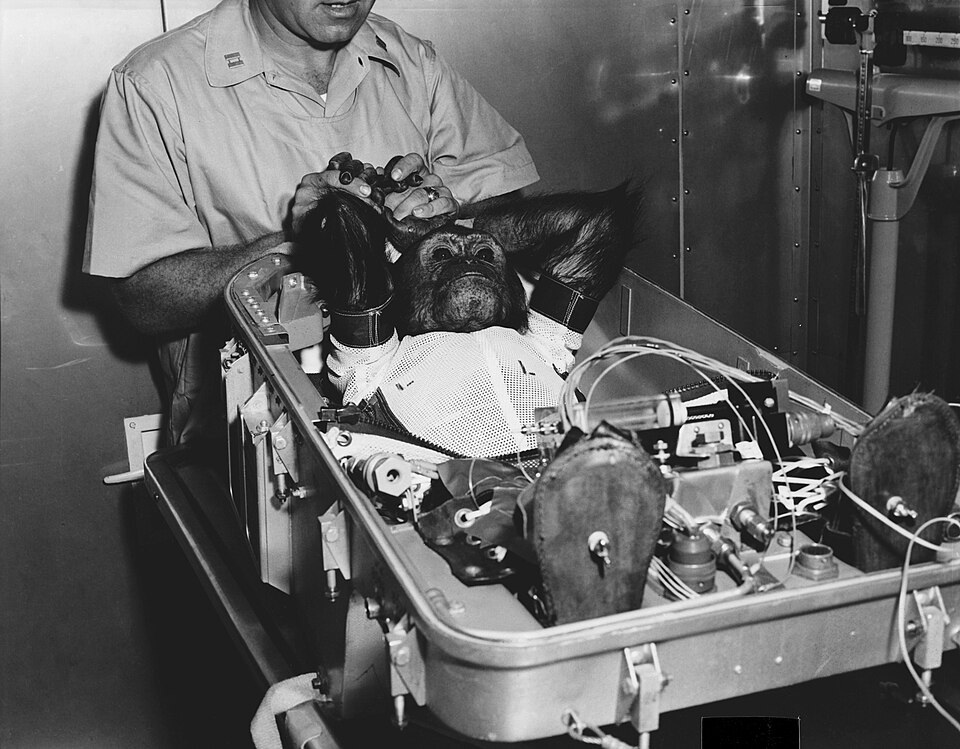
On November 29, 1961, NASA launched Mercury-Atlas 5 with the chimpanzee Enos aboard. The spacecraft completed two orbits before returning to Earth, providing another test of the Mercury system before a human American orbital flight. The mission had been planned for three orbits, but technical problems led controllers to bring it back earlier. Enos was recovered alive. The flight belongs to a period when animal missions were used to investigate the demands and risks of space travel.
Its history includes both engineering progress and questions about the treatment of animals in research. Rather than treating the episode as a simple adventure, it is worth considering the choices and responsibilities behind that work. Mercury-Atlas 5 helped demonstrate the performance of the spacecraft and its worldwide tracking network. Just a few months later, John Glenn would orbit Earth aboard Friendship 7. Before that human milestone came a sequence of tests, adjustments, and difficult decisions.