NOVEMBER 4, 2026 · UNOFFICIAL OR WHIMSICAL
National Candy Day
United States

When it is observed
November 4 each year
The story behind the date.
The origin and creator of this informal food observance remain uncertain.
National Candy Day arrives on November 4 as an unofficial celebration of a familiar small pleasure. Its creator and earliest observance have not been reliably established; even calendar organizations continue to research the origin. That uncertainty is worth keeping separate from the much older histories of confectionery itself. Candy can be a souvenir, a childhood memory, a shared treat after dinner, or simply something chosen for its color and flavor. Today offers a playful reason to notice how often a tiny object becomes attached to a much larger memory of a place or a person.
Instead of making abundance the point, try a little tasting with a few different textures or a sweet from a family tradition. Ask which candy reminds each person of childhood and why. The answers may travel from a neighborhood shop to a grandparent's handbag or a holiday journey. Check ingredients and dietary needs before sharing, especially with children, and keep the moment relaxed rather than competitive. A small bowl at a gathering can be an invitation to linger and talk. Sometimes the loveliest treat is not the confection itself but the story it unexpectedly brings back to the table.
“The world is so full of a number of things, I’m sure we should all be as happy as kings.”
— Robert Louis Stevenson
YOUR OWN REASON TO CELEBRATE
Does this day mean something to you?
A birthday, an anniversary, a person you hold dear. Tell us what makes November 4 special.
ALSO ON THIS DAY · 1922
A step leads toward Tutankhamun’s tomb
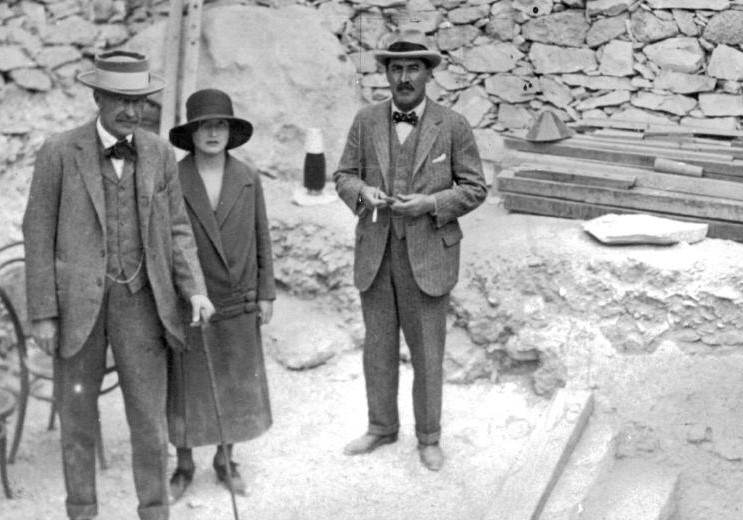
On November 4, 1922, the excavation team led by Howard Carter uncovered the first step of a buried staircase in Egypt's Valley of the Kings. It led to Tutankhamun's tomb, although the famous opening and examination unfolded over the following weeks and years. The discovery depended on Egyptian workers as well as the archaeologists whose names became internationally familiar. Looking beyond the headline helps restore that collective labor to the story. The tomb would profoundly influence Egyptology and popular culture, while also prompting questions about ownership, conservation, and how ancient lives are represented. A single visible step was the beginning of a much larger responsibility: to study carefully, preserve what was found, and tell the story with context.