NOVEMBER 5, 2026 · CULTURAL OR RELIGIOUS
Bonfire Night
United Kingdom, particularly England

When it is observed
November 5 each year; organized displays may occur on nearby evenings
The story behind the date.
The commemoration follows the discovery of the Gunpowder Plot in 1605; Parliament mandated annual thanksgiving in 1606.
Bonfire Night, also called Guy Fawkes Night, falls on November 5 in Britain. The date recalls the failed Gunpowder Plot of 1605, whose conspirators intended to destroy Parliament during its opening. After the plot was discovered, an act of Parliament established an annual thanksgiving observance. Over time, commemorations developed into familiar gatherings around bonfires and fireworks, although the history also includes religious division and hostility. Knowing that background adds depth to the spectacle. The glowing sky belongs to a tradition with a complicated past, not merely a seasonal excuse for an evening outdoors.
A contemporary gathering can emphasize community, warmth, and consideration for others. Choose a professionally organized display when possible, follow local guidance, and let neighbors know if noise is likely to affect them. Pets, wildlife, and people sensitive to sudden sounds deserve thought as well. Pack a warm drink, dress for the weather, and enjoy the shared anticipation before the first burst of light. Even readers far from Britain can appreciate the appeal of an autumn evening spent together. The most enduring part of a celebration is often the ordinary kindness around it: a spare scarf, a steady hand, or someone making room for another person to see.
“An ounce of prevention is worth a pound of cure.”
— Benjamin Franklin
YOUR OWN REASON TO CELEBRATE
Does this day mean something to you?
A birthday, an anniversary, a person you hold dear. Tell us what makes November 5 special.
ALSO ON THIS DAY · 1911
A difficult flight crosses the United States
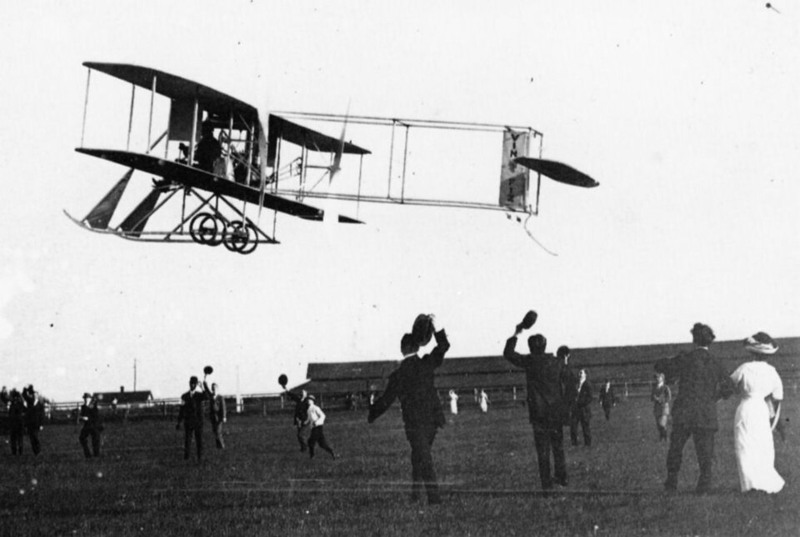
On November 5, 1911, aviator Calbraith Perry Rodgers reached Pasadena, California, after flying from New York in the Vin Fiz aircraft. Numerous stops, repairs, and accidents had pushed the journey beyond a newspaper prize's thirty-day deadline. This arrival marks the transcontinental achievement, but it should not be confused with his later arrival at the Pacific shore in December. The distinction makes the story more accurate and more human. The journey was a succession of attempts, supported by people and equipment on the ground, rather than one uninterrupted triumph. It reminds us that the history of flight includes improvisation and persistence as well as speed, and that a missed deadline need not erase the value of reaching a difficult destination.