NOVEMBER 6, 2026 · UNOFFICIAL OR WHIMSICAL
Saxophone Day
International music communities; associated with Belgium
When it is observed
November 6 each year
The story behind the date.
The informal date honors Adolphe Sax, born in Dinant on November 6, 1814; the original organizer of the day is uncertain.
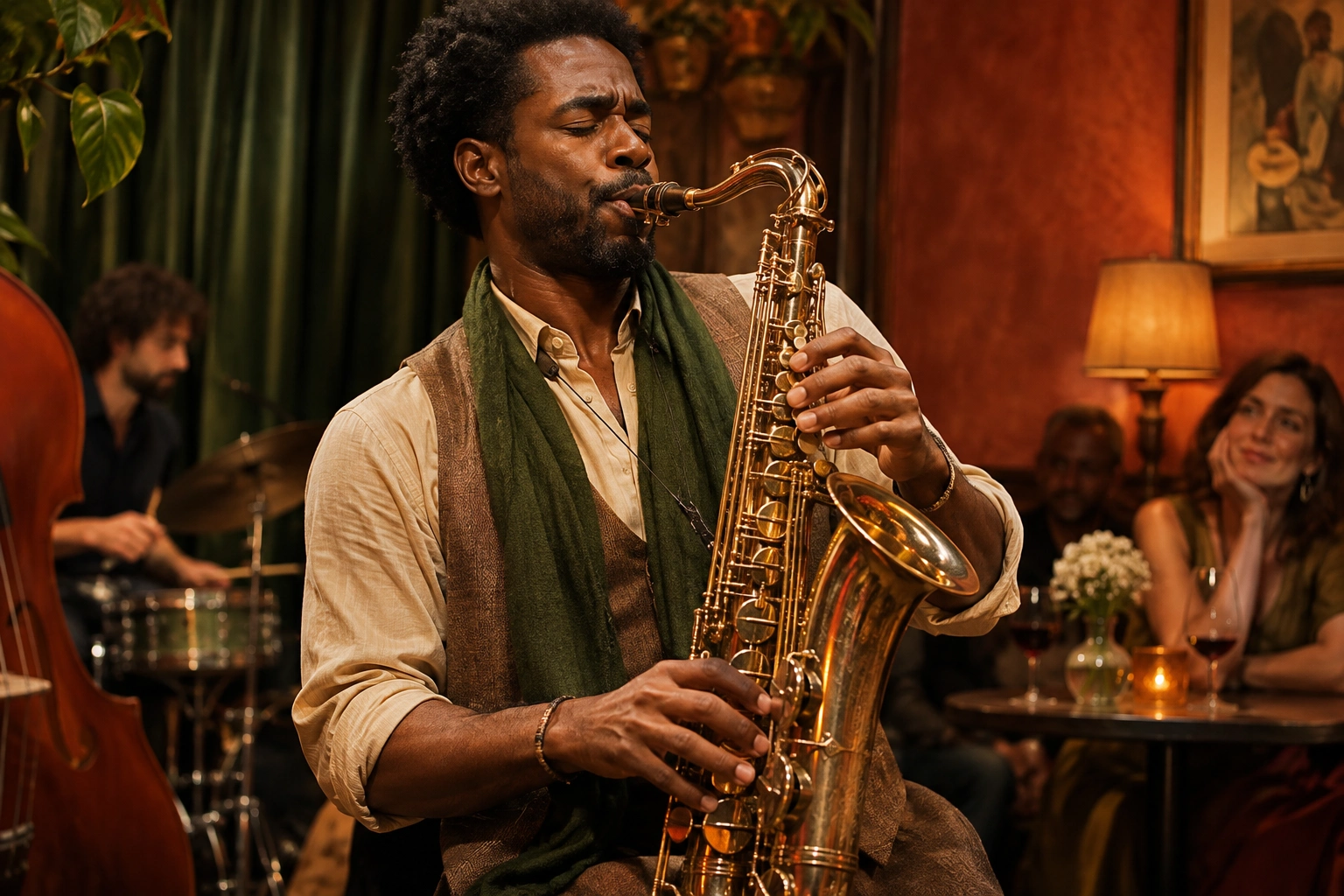
Saxophone Day is an informal music occasion associated with November 6, the birthday of instrument maker Adolphe Sax. Born in Dinant, Belgium, in 1814, Sax patented the saxophone in 1846. The instrument's expressive voice has since found a place in many settings, from concert music to jazz and popular recordings. The observance itself has no clearly established founding organization, so its cultural appeal is stronger than any claim to official status. It is a useful reminder that an invention can become something deeply personal: a sound that listeners associate with a city, an evening, or a particular feeling.
Take a few minutes to listen closely to a saxophone recording rather than leaving it in the background. Notice a breath before a phrase, a change in tone, or the way a melody answers another instrument. If a local musician is performing, a small venue may offer a chance to hear that conversation unfold in real time. You do not need technical vocabulary to be an attentive listener. Ask yourself what the sound suggests and whether someone else hears something different. Sharing a favorite track can be a modest but meaningful introduction to your inner world, especially when the music expresses something ordinary language cannot quite hold.
“If music be the food of love, play on.”
— William Shakespeare
YOUR OWN REASON TO CELEBRATE
Does this day mean something to you?
A birthday, an anniversary, a person you hold dear. Tell us what makes November 6 special.
ALSO ON THIS DAY · 1860
Abraham Lincoln is elected president
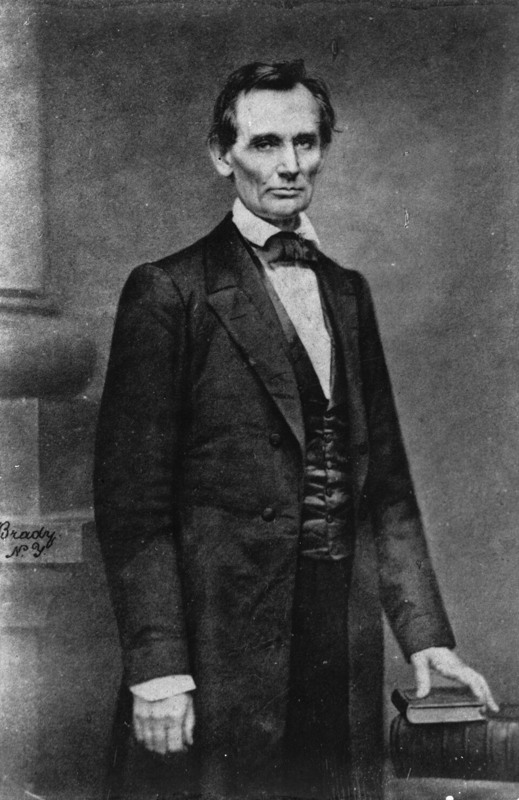
Abraham Lincoln was elected president of the United States on November 6, 1860. His victory came in a deeply divided country and was followed by secession and civil war. The election did not resolve the nation's conflict over slavery; it became a turning point within a struggle whose consequences continue to shape American life. Remembering the date requires more than treating a familiar leader as an inevitable answer to history. Institutions, political choices, and the actions of many people shaped what followed. The milestone encourages a careful reading of civic life: elections matter, but so do the responsibilities, conflicts, and unfinished work that begin after the ballots are counted.