NOVEMBER 7, 2026 · OFFICIAL OBSERVANCE
National Bison Day
United States
When it is observed
First Saturday in November; November 7 in 2026
The story behind the date.
The annual tradition began in 2012; a 2026 U.S. Senate resolution specifically designates November 7, 2026.
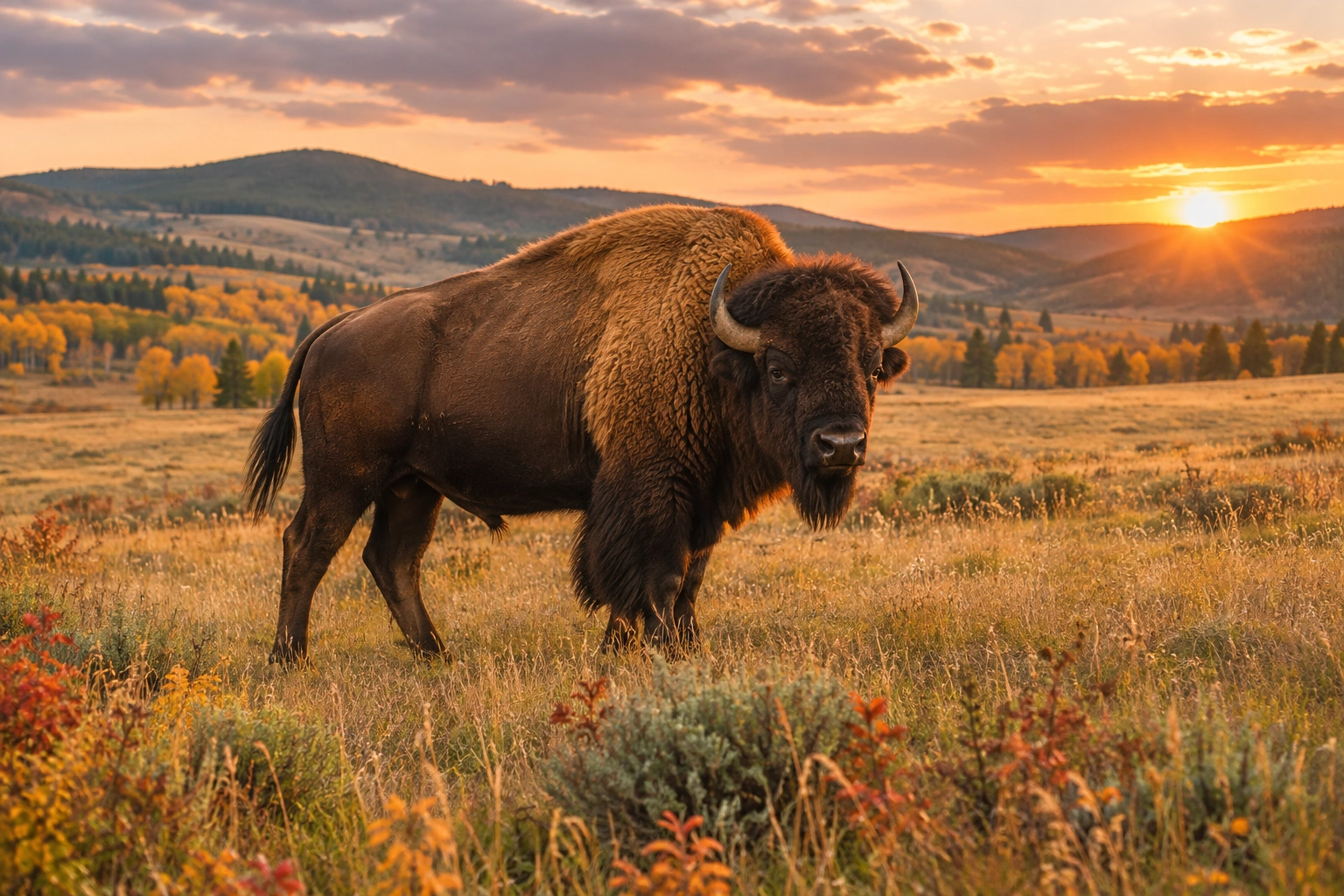
National Bison Day takes place on the first Saturday in November, which falls on November 7 in 2026. The United States Senate's resolution for this year explicitly identifies that date and recognizes an annual tradition dating to 2012. Bison matter to ecosystems, conservation history, and the cultures and continuing lives of many Indigenous nations. They are also powerful animals whose recovery cannot be understood through a single triumphant photograph. Learning about bison means making room for stories of dispossession and restoration, including the leadership of Tribal communities working to return herds to their lands.
Begin with a Tribal or public-land source and learn about one actual herd rather than treating all bison as a symbol. If you visit a park, observe the required distance and remember that these are wild animals, never props for a close photograph. A quiet viewing from a safe place can reveal more than a hurried approach: the movement of a herd, the relationship with the grassland, the patience of an animal at rest. For families, the day offers a chance to ask what successful conservation should protect. The answer can include land, wildlife, knowledge, and the people whose relationships with that place have continued across generations.
“There can be no greater issue than that of conservation in this country.”
— Theodore Roosevelt
YOUR OWN REASON TO CELEBRATE
Does this day mean something to you?
A birthday, an anniversary, a person you hold dear. Tell us what makes November 7 special.
ALSO ON THIS DAY · 1940
A bridge failure changes engineering questions
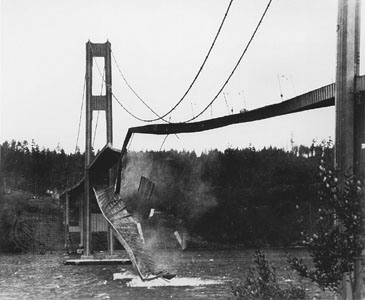
The original Tacoma Narrows Bridge collapsed in Washington on November 7, 1940, after dramatic wind-driven movement. Its twisting deck became one of the most familiar images in engineering history. The explanation involves the interaction of wind and structure, particularly aerodynamic instability, rather than a simple lesson that all movement is ordinary resonance. Engineers studied the failure to improve understanding and bridge design. The story is a reminder that graceful appearance and successful construction do not settle every question about performance. Testing, observation, and willingness to revisit assumptions are part of responsible design. Even a failure can contribute to safer systems when its evidence is examined carefully and shared instead of dismissed.