NOVEMBER 15, 2026 · OFFICIAL OBSERVANCE
National Philanthropy Day
United States; also recognized in Canada

When it is observed
November 15 each year; local recognition events may use nearby dates
The story behind the date.
Douglas Freeman developed the initiative in the 1980s; U.S. legislation and a presidential proclamation recognized November 15, 1986.
National Philanthropy Day is marked on November 15, recognizing the people and organizations whose giving supports their communities. Douglas Freeman developed the initiative in the 1980s, and the United States formally recognized the day in 1986 through legislation and a presidential proclamation. The Association of Fundraising Professionals continues to support the observance. The word philanthropy can sound distant from daily life, but its practical forms include many scales of contribution. Financial gifts matter, and so do time, knowledge, careful organizing, and the steady work of people who help a community respond to its own needs.
Consider a cause close enough to understand rather than choosing only the most visible campaign. Learn what an established organization does, how it describes its needs, and which contribution would genuinely help. A small regular gift or a realistic volunteer commitment can be more useful than a dramatic promise. Thank the people who keep that work moving, including those handling unglamorous tasks behind the scenes. Giving should preserve the dignity and agency of the people it is meant to support. Today offers a chance to ask not only what we can offer, but how to listen first. The most meaningful generosity often begins with a relationship and continues after the celebration has passed.
“charity, mercy, forbearance, and benevolence were, all, my business.”
— Charles Dickens
YOUR OWN REASON TO CELEBRATE
Does this day mean something to you?
A birthday, an anniversary, a person you hold dear. Tell us what makes November 15 special.
ALSO ON THIS DAY · 1920
Nations gather for the League’s first Assembly
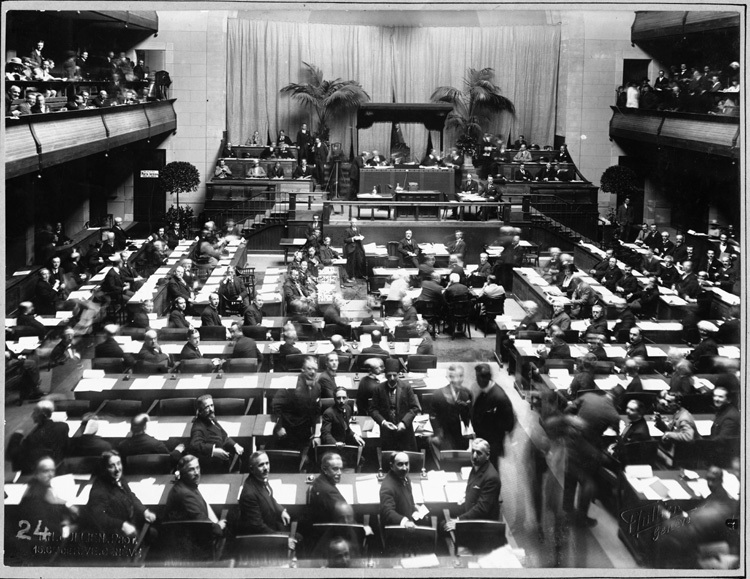
On November 15, 1920, representatives of 41 member states gathered in Geneva for the first session of the League of Nations Assembly. The League itself had formally come into existence earlier that year. This meeting gave its members a recurring setting for public international discussion after the devastation of the First World War. The Assembly’s structure allowed smaller and medium-sized states a place in diplomatic conversations that had often been dominated by great powers.
The League did not prevent the conflicts that eventually brought another world war, and its limitations belong in any account of its history. Yet its work also developed habits of cooperation, humanitarian exchange, and international administration that influenced later institutions. The first Assembly is worth remembering as an attempt to make dialogue an organized responsibility. Its story asks a lasting question: how can nations build structures that do more than express a wish for peace?