NOVEMBER 20, 2026 · INTERNATIONAL OBSERVANCE
World Children's Day
Worldwide; United Nations and UNICEF
When it is observed
Every November 20
The story behind the date.
Universal Children’s Day was established in 1954. November 20 marks adoption of the 1959 Declaration and 1989 Convention on the Rights of the Child.
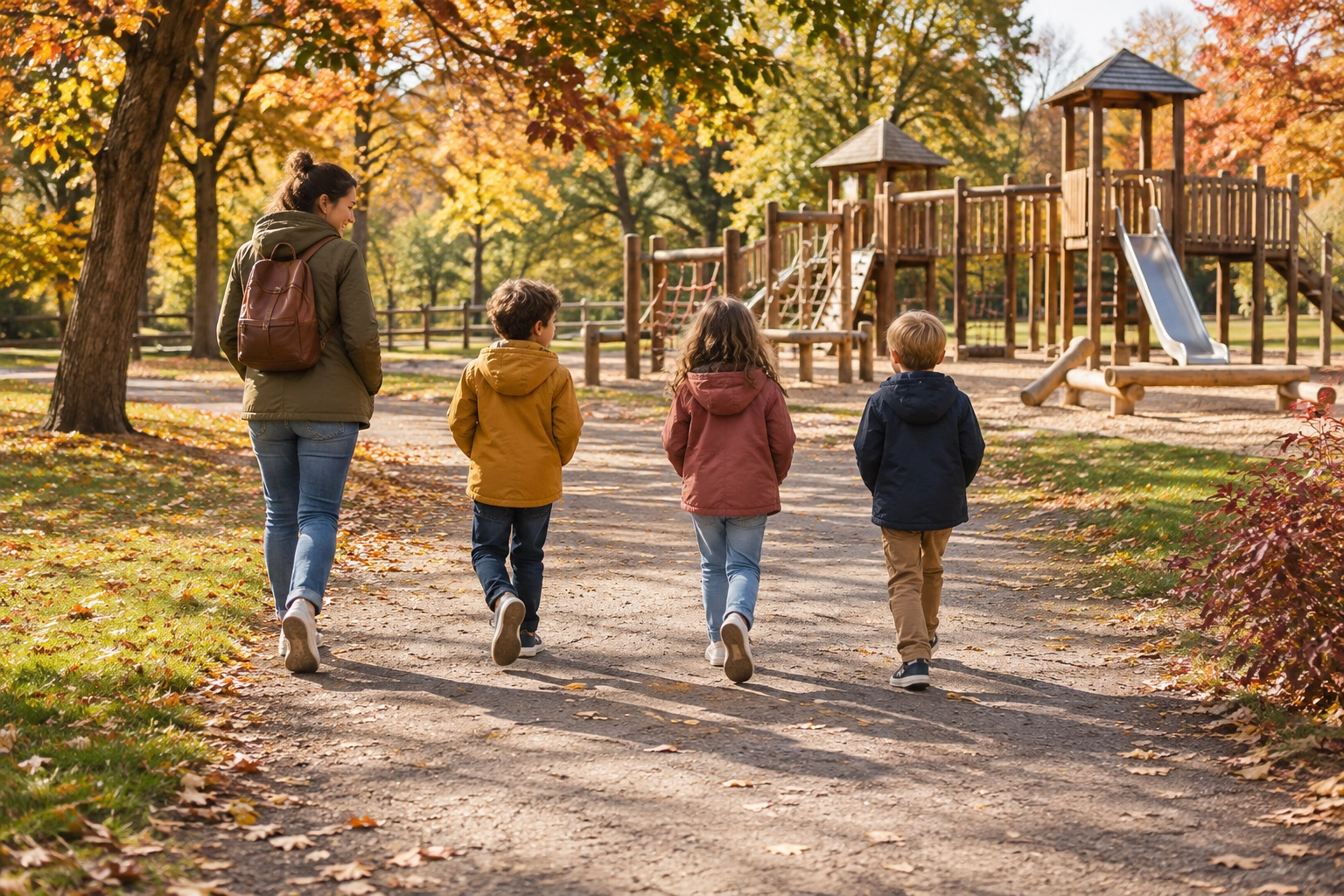
Children notice more than adults sometimes imagine: who gets heard, who gets left out, and whether a promise is kept. World Children's Day on November 20 asks us to take their lives and rights seriously. The United Nations established Universal Children's Day in 1954. The November date also marks two important milestones: adoption of the Declaration of the Rights of the Child in 1959 and the Convention on the Rights of the Child in 1989. The occasion is about more than affection for children. It concerns safety, education, health, participation, and the conditions in which they can grow.
One thoughtful way to observe the day is to ask a child what would make their school, neighborhood, or home feel better, then listen without immediately correcting the answer. Adults remain responsible for protection and practical decisions, but listening can reveal needs that a polished plan misses. Support a library, a school program, or an organization with clear safeguarding practices. Share children's photographs only with appropriate permission and care for their privacy. A childhood does not need to look perfect in a picture to deserve respect. The most lasting gift may be a dependable relationship: someone who takes a concern seriously, explains a boundary kindly, and shows up again tomorrow.
“There can be no keener revelation of a society’s soul than the way in which it treats its children.”
— Nelson Mandela
YOUR OWN REASON TO CELEBRATE
Does this day mean something to you?
A birthday, an anniversary, a person you hold dear. Tell us what makes November 20 special.
ALSO ON THIS DAY · 1998
The first space-station module reaches orbit
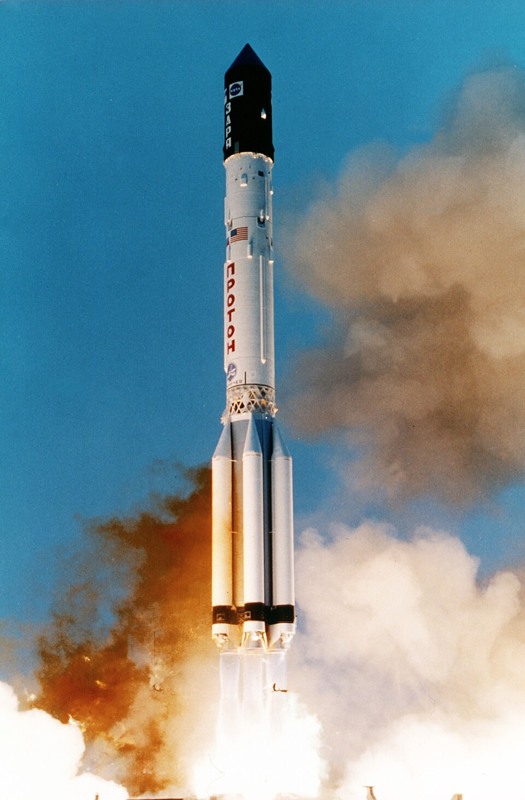
On November 20, 1998, a Proton rocket launched the Zarya module from the Baikonur Cosmodrome. It was the first element of what would become the International Space Station. The Russian-built, US-owned module provided early power, propulsion, and control functions while assembly began. Other components and crews would follow; the station was a project built through many launches rather than delivered as one finished structure. Zarya's name means daybreak, an apt image for the beginning of a long collaboration. The milestone reminds us that ambitious achievements often start with a functional first piece. Behind the familiar sight of an inhabited laboratory circling Earth are years of engineering, coordination, maintenance, and people learning to work across institutional and national boundaries.