NOVEMBER 17, 2026 · INTERNATIONAL OBSERVANCE
International Students' Day
Czech Republic and student communities worldwide

When it is observed
Every November 17
The story behind the date.
The day remembers Nazi repression of Czech students in 1939; student representatives meeting in London declared the international observance in 1941.
A classroom can be a place where a life changes direction. International Students' Day, observed on November 17, also remembers what happens when the freedom to learn is attacked. Its history reaches back to Nazi repression of Czech students in 1939, including the closure of Czech universities, arrests, and executions of student leaders. In 1941, representatives of students from different countries meeting in London declared an international day of remembrance. This is therefore more than a cheerful campus celebration. It carries a serious message about education, civil courage, and the right to ask questions without fear.
For today's students, the path to a qualification can contain quieter obstacles: paying for materials, finding time after work, studying in another language, or believing that they belong. We can honor the day by recognizing those efforts as well as academic results. Send encouragement to someone preparing for an examination. Offer a book, a useful introduction, or an hour of patient help. If your student days are long behind you, remember the teacher or friend who made a difficult subject feel possible. Learning has no single age or finish line. A community grows stronger when curiosity is welcomed and opportunity is shared.
“Education and slavery were incompatible with each other.”
— Frederick Douglass
YOUR OWN REASON TO CELEBRATE
Does this day mean something to you?
A birthday, an anniversary, a person you hold dear. Tell us what makes November 17 special.
ALSO ON THIS DAY · 1869
The Suez Canal opens to navigation
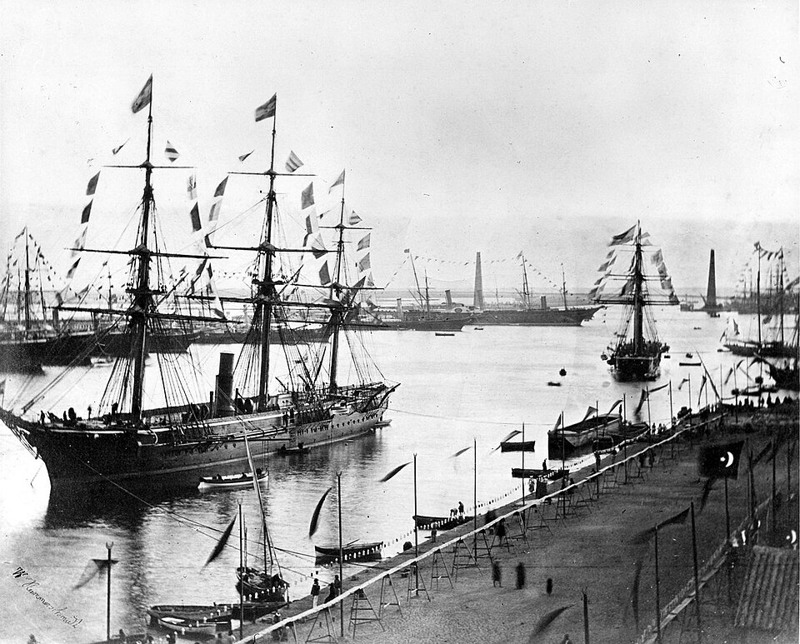
The Suez Canal was inaugurated on November 17, 1869, connecting the Mediterranean and Red seas through Egypt. The opening followed a decade of construction and changed the geography of maritime travel: ships could move between the two seas without sailing around the African continent. It was an engineering achievement with lasting economic and political consequences, not simply a shorter line on a map. The canal's later history includes nationalization, conflict, closure, and reopening, reminding us that infrastructure belongs within human history as well as technical history. Looking at a vessel moving through this narrow passage today, it is possible to see how one built connection can influence trade, work, and relationships across much of the world.