NOVEMBER 17, 2026 · OFFICIAL OBSERVANCE
World Cervical Cancer Elimination Day
Worldwide; World Health Organization

When it is observed
Every November 17
The story behind the date.
WHO Member States established this official world health day in 2025, building on the cervical cancer elimination strategy launched in 2020.
Some calendar dates are an invitation to celebrate; others invite us to protect the people we love. November 17 is World Cervical Cancer Elimination Day. WHO Member States established the official observance in 2025, building on the global strategy launched in 2020. The day brings attention to HPV vaccination, cervical screening, timely treatment, and fair access to care. Elimination as a public-health problem is an ambitious collective goal, rather than a claim that the disease has already disappeared. The important message is that prevention and early action can make a meaningful difference when health services reach people consistently.
A useful response does not need to begin with a frightening conversation. It can begin with checking which preventive services are recommended for your age, health history, and location, then discussing those questions with a qualified clinician. Offer practical support to a friend who needs transport or time for an appointment. Share information from a trusted health authority instead of an alarming post without context. Screening recommendations vary, and personal medical decisions deserve individual advice. Above all, let the tone be compassionate. No one should feel blamed for a diagnosis, an overdue appointment, or difficulty accessing care. Awareness matters most when it leads to support that someone can actually use.
“we can eliminate cervical cancer as a public health problem and make it a disease of the past.”
— Dr Tedros Adhanom Ghebreyesus
YOUR OWN REASON TO CELEBRATE
Does this day mean something to you?
A birthday, an anniversary, a person you hold dear. Tell us what makes November 17 special.
ALSO ON THIS DAY · 1970
A remotely driven explorer reaches the Moon
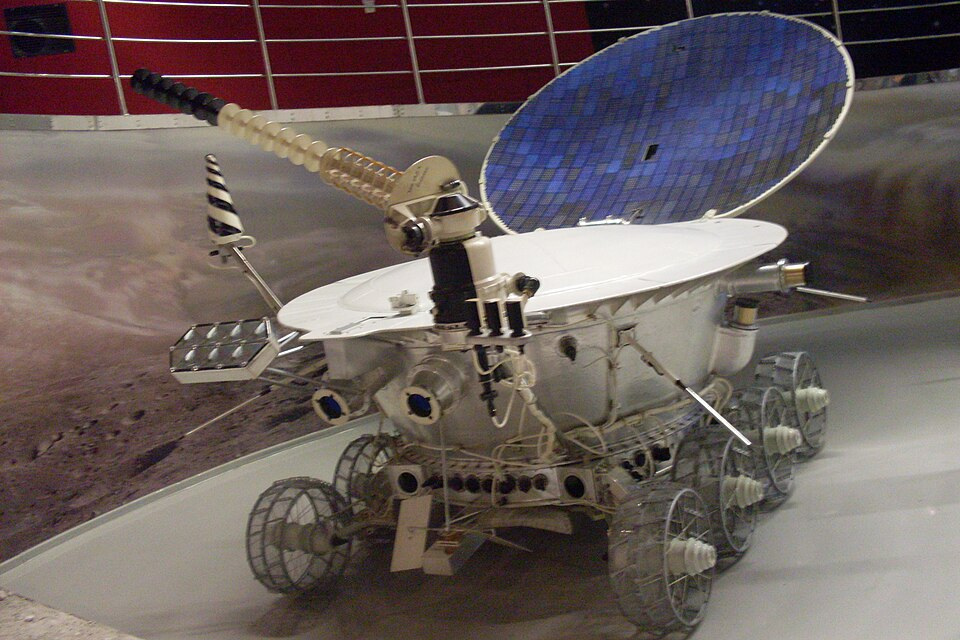
On November 17, 1970, the Soviet Luna 17 spacecraft landed on the Moon and delivered Lunokhod 1, a remotely controlled rover. The eight-wheeled vehicle drove away from its landing platform to begin work guided by a team on Earth. It was the first successful roving robot to operate on another celestial body. Instead of making a single observation from one position, it could move, examine its surroundings, and send information home along the way.
This was exploration shaped by distance and delay. Operators had to interpret unfamiliar terrain through transmitted views and make careful decisions about movement. Lunokhod 1 continued operating well beyond its original planned lifetime, adding to knowledge of the lunar surface. Its journey helps us see a rover as more than a machine: it is a meeting point of engineering, patient teamwork, and human curiosity. Long before today’s planetary robots, these wheels were testing what remote exploration could become.