NOVEMBER 19, 2026 · INTERNATIONAL OBSERVANCE
World Toilet Day
Worldwide; United Nations

When it is observed
Every November 19
The story behind the date.
The World Toilet Organization began the observance in 2001; the UN General Assembly designated it an official UN day in 2013.
Privacy, safety, and a working toilet can be so familiar that we forget how essential they are. World Toilet Day, held every November 19, brings sanitation into a conversation that too often avoids it. The observance began through the World Toilet Organization in 2001 and became a United Nations day in 2013. It supports the broader goal of safe water and sanitation for everyone. This is not simply a story about fixtures or plumbing. It is about the conditions that allow someone to attend school, work comfortably, manage menstruation, and live with dignity.
Consider the places you use every week. Are the restrooms accessible, maintained, and easy to find? Is handwashing available? Would a child, an older adult, or someone with a disability feel safe there? Asking those questions makes a distant issue more concrete. We can support responsible sanitation projects, report broken facilities, and treat the workers who maintain them with respect. When sharing the subject, avoid jokes that turn people's circumstances into a spectacle. A modest room can carry enormous importance in a person's day. This observance reminds us that everyday comfort should not depend on luck, and that infrastructure becomes truly valuable when it serves the people who need it most.
“Sanitation is a human right.”
— United Nations
YOUR OWN REASON TO CELEBRATE
Does this day mean something to you?
A birthday, an anniversary, a person you hold dear. Tell us what makes November 19 special.
ALSO ON THIS DAY · 1863
Lincoln delivers the Gettysburg Address
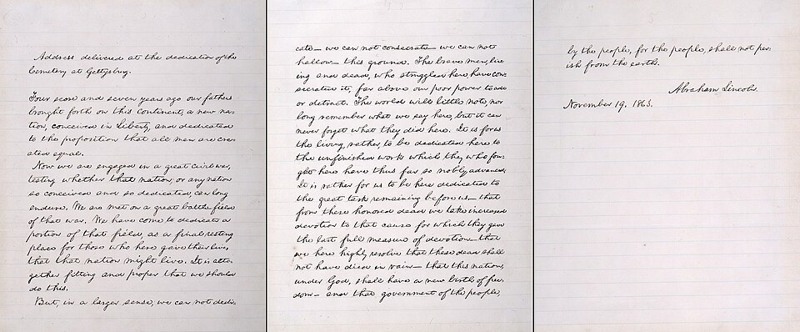
On November 19, 1863, Abraham Lincoln spoke at the dedication of a soldiers' cemetery at Gettysburg, Pennsylvania. His address was brief, but it connected the Civil War's losses with the nation's founding ideals and the unfinished work of democracy. He was not the principal orator of the ceremony; the endurance of his few minutes shows that length and lasting influence are different things. The address should be read in its historical setting, including the war over slavery and the struggle to make equality meaningful. It also offers a lesson about public language: words can honor the dead while asking something demanding of the living. A short speech became a continuing invitation to consider what a government owes its people.